Pain treatment checks a medical professional's craft greater than virtually any other domain. You have to evaluate the story behind the symptom, equate it right into an organized evaluation, interfere securely, then adapt when the client's nerve system does not react as anticipated. A comprehensive discomfort monitoring certification develops all of those skills. It formalizes the judgment you currently method, then includes the neuroscience, pharmacology, interprofessional communication, and threat administration that make modern pain treatment both safer and even more humane.
This overview makes use of useful lessons from running multidisciplinary programs and mentoring medical professionals via discomfort management training and official evaluations. Whether you are exploring short training courses suffering monitoring to load a space, or seeking a full discomfort management qualification program to secure a new solution line, the same principles apply: build a split expertise that takes a trip throughout setups, from emergency pain monitoring at triage to complicated consistent discomfort in medical care and rehabilitation.
Why accreditation matters now
Pain is the number one reason people look for care, yet results differ commonly. 2 elements regularly forecast far better results. Initially, medical professionals who make use of organized discomfort analyses and validated devices make fewer errors, specifically in poly-symptomatic instances. Second, groups that share a typical language for mechanism-based pain medical diagnosis collaborate more effectively across nursing, physiotherapy, drug store, and clinical staff. A pain monitoring certificate signals capability in both.
Certification does more than embellish a CURRICULUM VITAE. https://anotepad.com/notes/426ijkac It can accredit broadened scope in particular settings, enhance path benefits, and enhance client contentment scores by systematizing very early analgesia, review intervals, and multimodal plans. For registered nurses and physio therapists, targeted pain administration programs open doors to sophisticated technique duties. For paramedics and very first -responders, components such as PUAEME008 Offer Discomfort Administration define prehospital analgesia methods and handover quality.
What a thorough program looks like
The best programs blend academic web content, simulation, and monitored professional application. They stay clear of the trap of being "pharmacology-only" or "manual therapy-only." Across suppliers and regions the specific structure differs, however the backbone is recognizable.
A certificate training course hurting monitoring generally covers:
- Mechanism-based evaluation. Nociceptive, neuropathic, and nociplastic systems influence whatever downstream. Medical professionals learn to match device to method, as opposed to treating all discomfort as equal. This consists of warnings, yellow flags, and threat stratification for persistent symptoms. Multimodal analgesia. Layered non-opioid medications, interventional choices where suitable, and experienced use of non-pharmacological approaches. Grads entrust to a functional formulary and an understanding of when to escalate. Communication and expectation setup. Pain relief is commonly partial. Language that balances hope with realism lowers distress and enhances adherence. Monitoring and safety and security. Sedation ranges, respiratory system danger forecast, opioid stewardship, and strategies to stop diversion or iatrogenic harm. Interprofessional coordination. Exactly how nurses, physio therapists, doctors, pharmacologists, and psycho therapists share a plan, document it, and stay clear of contrasting advice.
Programs marketed as discomfort administration training programs that miss any one of these aspects create restricted gains. Alternatively, training that integrates bedside drills, reflective debriefs, and case audits often tends to stick, since it alters habits rather than just knowledge.
The duty of PUAEME008 Offer Pain Management
In prehospital and occasion medicine, timing is every little thing. The proficiency unit PUAEME008 Provide Discomfort Management concentrates on risk-free, prompt analgesia in atmospheres where diagnostics are minimal and patient turnover is fast. It highlights:
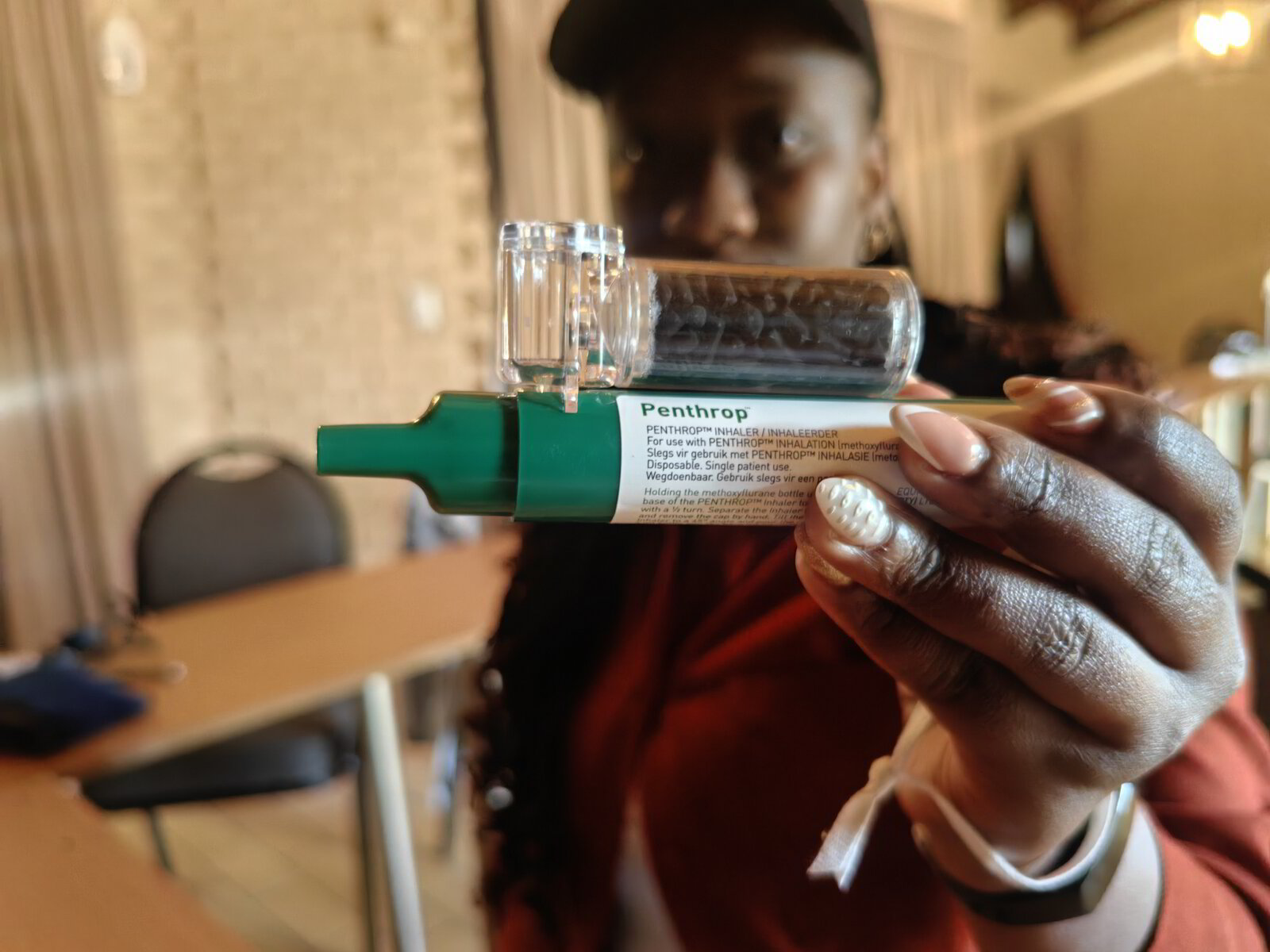
- Rapid triage of mechanism and seriousness utilizing straightforward scales ideal for disorderly scenes. Protocol-driven options such as breathed in methoxyflurane, titrated intranasal or IV opioids when accredited, and non-pharmacological procedures that can start within seconds. Vigilant tracking, with details hints for when to stop or reverse sedation and just how to take care of hypotension or respiratory system depression. Handover discipline. Structured communication that sends both the analgesic timeline and the person's reaction, so emergency department teams prevent dual dosing, gaps, or early judgments concerning drug-seeking.
I have actually enjoyed teams transform their handovers after completing PUAEME008 Give Discomfort Administration. The distinction is concrete: a clear timestamped series of interventions, important indicators aligned to dosing, and mechanism-based monitorings that shape the ED plan. The internet result is much faster continuation analgesia, less negative occasions, and a patient that feels cared for rather than shuffled.
Many RTOs established PUAEME008 within a more comprehensive pain administration training framework that includes simulated mass-casualty stations, pediatric instances, and low-resource situations. Treat these as core, not extras. Area problems are hardly ever ideal, and the ability to improvisate securely under restrictions is a proficiency in its own right.
Pain administration courses for nurses
Nurses live at the crossway of assessment, titration, and advocacy. A focused discomfort management program for registered nurses must grow three capabilities.
First, specific assessment and prioritization. That suggests separating serious intense nociceptive discomfort that needs preemptive dosing before physical rehabilitation or injury treatment, from neuropathic pain that is not likely to react to IV morphine. It likewise suggests understanding the loss threats and delirium sets off in older adults, after that shaping the strategy accordingly.
Second, reasonable titration. Registered nurses who carry a psychological version of equivalence and start times hardly ever obtain captured going after discomfort with short-acting ruptureds. They utilize fixed application for baseline control, while booking short-acting representatives for advancement discomfort. They also plan for practical milestones, like a 10 a.m. physical rehabilitation session, and change analgesia beforehand to allow movement rather than respond to agony afterward.
Third, interaction and rise. The most reliable registered nurses document the client's language about discomfort, not just numbers, then framework clear demands to the prescriber: the existing plan yields 2 hours of alleviation, physiotherapy begins at 10, propose adding arranged paracetamol and switching from PRN oxycodone to an oral multimodal regimen with pre-emptive application at 9. The uniqueness shortens the time to a far better plan.
Pain monitoring training for nurses is most effective when it consists of substitute handovers, sedation scale drills, and case audits that contrast desired results with observed function. Qualification confirms these abilities and can serve as a bar for nurse-led methods that turn on faster relief.
Pain monitoring programs for physiotherapists
Physiotherapists change pain by changing input to the nerve system. A strong pain administration training course for physiotherapists bridges hands-on and exercise-based techniques with contemporary pain neuroscience. The objective is not to state central sensitization concept, however to translate it into graded exposure, pacing frameworks, and mindful tons progressions that maintain signs and symptom variability.
I try to find three aspects in a pain management certification that targets physio therapists:
- Clear, workable stratification. Not every individual with diffuse pain requires the same strategy. Some endure tempo and volume easily if you control amplitude. Others require cognitive reframes prior to tons. Great courses instruct you to examine and decide, not simply comply with a template. Collaboration with medical and nursing associates. When you understand the patient's analgesia routine and sedative lots, you can time sessions to place neuroplasticity to function rather than battling the drug contour. It also reduces danger during balance work and facility gait training. Documentation that converts progression into decisions. Physio therapists who measure useful renovations linked to pain context assist the whole team de-escalate opioids and reinforce gains. Think in two-week home windows with unbiased markers like sit-to-stand counts, loaded reach angles, or strolling cadence.
Short programs suffering management for physio therapists can be powerful when they consist of live individual presentations and follow-up instance assesses 2 to 4 weeks later, so clinicians see whether their initial strategy produced resilient, useful change.
Building your path: short training courses versus full certification
Clinicians usually ask whether to take a sequence of brief training courses hurting monitoring or devote to a detailed discomfort administration accreditation. The answer depends upon your goals, current scope, and the environment you practice in.
Short programs function well for targeted upgrades. If your emergency situation division is overhauling its triage analgesia, a focused emergency situation discomfort administration module can provide prompt worth. If you are a neighborhood physiotherapist battling with persistent reduced back pain situations, a weekend program on nociplastic mechanisms and rated exposure can reset your approach.
A full discomfort monitoring certification course, by comparison, constructs a durable structure. It typically covers several months with time for practice combination. It commonly incorporates pharmacology, interventional alternatives, rehab approaches, and behavior techniques, then examines your capacity to synthesize them. Grads often tend to lead high quality improvement projects, compose procedures, and mentor colleagues. If you prepare to anchor a service line or formalize a brand-new function, a thorough pain management certification is worth the longer investment.
Curriculum components that divide strong programs from weak ones
Courses differ in logo and size, yet a handful of functional incorporations forecast real-world impact.
- Mechanism-to-modality mapping under time pressure. It's one point to list acetaminophen, NSAIDs, and gabapentinoids. It's an additional to build a 30-second psychological triage that assigns the most likely device and picks the safest following step. Dosing fluency and deprescribing technique. I look for trainers that can move medically in between mg/kg and fixed application, readjust for renal feature, then illustration a taper strategy prior to the first dose is offered. You want habits that avoid repainted corners. High-risk populaces. Infants and kids, older adults with frailty, maternity and postpartum, chronic kidney or liver illness, and people with substance use conditions. Way too many programs state them, then carry on. A solid program teaches practical modifications: choice of agent, keeping track of tempo, and thresholds for escalation. Non-pharmacological mastery. Warmth and 10s are fundamentals, but the very best training courses press beyond and teach you just how to produce a micro-environment that regulates threat: silencing alarm systems, establishing assumptions, aligning analgesia with motion. They cover short cognitive methods that suit a bedside interaction, not simply hour-long sessions. Documentation that drives care. If a note does not transform the next application decision or therapy strategy, it is ornamental. Excellent training shows you how to tape-record pain kind, reaction, and feature in a way that clarifies the following step for any person reading.
Assessment and accreditation: what to expect
Pain management accreditation typically consists of a mix of knowledge examinations, abilities terminals, and case-based viva. Anticipate situations that evaluate just how you factor, not simply recall. You could be offered a 76-year-old with hip fracture pain, COPD, and borderline high blood pressure, then asked to intend analgesia and explain exactly how you will monitor for respiratory suppression. Or a 28-year-old with post-laparoscopy shoulder pain who is nauseated and refusing dental medications. Examiners listen for device, functional trade-offs, and risk control.
Programs aligned to units like puaeme008 Provide Discomfort Management will certainly additionally assess hands-on delivery. Simulation with methoxyflurane, intranasal fentanyl atomization, and structured handover must really feel routine by the end. Paperwork is assessed too. If your composed document is vague concerning timing and feedback, anticipate feedback.
Some providers add a logbook demand for the pain monitoring certificate course, asking candidates to document a collection number of supervised situations across acute and relentless presentations. It can feel bureaucratic, but it requires diversity and representation. In my experience this action cements learning more than any multiple-choice exam.
The opioid conversation: harm, advantage, and the room between
Any liable discomfort monitoring training need to attend to opioids without conviction. The last decade's pendulum swing left many people undertreated and others harmed. Qualification training courses that make a distinction take a middle path.
Short-acting opioids can be life-altering throughout the very first 24 to 72 hours after major tissue injury or surgical procedure, particularly when they allow early mobilization. They are risky when utilized as single treatment or when dosage escalation is used to go after chronic nociplastic pain. Solid training educates you to constrict period, to couple opioids with non-opioid and non-pharmacological techniques, and to set leave strategies at the start. Nurses and physiotherapists educated to detect very early oversedation and useful plateaus come to be the early-warning system that prevents a slide right into lasting dependence.
Language issues. I have seen pain strategies turn around just because the team transformed their script from "we will certainly get your pain to no" to "we will obtain your discomfort to a level where you can walk safely to the shower room and rest via the evening, then we will certainly reduce the medicine as your feature returns." A discomfort management certification that strengthens this communication skill usually minimizes conflict and boosts adherence greater than any dose algorithm.
Special populaces that compensate added skill
Pediatrics, geriatrics, and maternity are worthy of repeated practice. Children conceal discomfort up until they can not, then turn from stoic to heartbroken. The very best pediatric modules teach diversion strategies that nurses and parents can use immediately, weight-based application that lessens peaks and troughs, and paperwork that records behavior, not just numbers.
Older grownups bring higher danger for delirium with inadequately chosen regimens. Training courses should show the art of reduced and slow titration, the preference for arranged acetaminophen, topical NSAIDs when joints drive the pain, and very early activity approaches with secure shoes and lighting modifications to prevent drops. Sedation ranges used rigorously lower over night complications.
Pregnancy and postpartum pain planning typically requires sychronisation throughout obstetrics, anesthetics, and physiotherapy. A qualification that presents case-based paths for cesarean healing or pelvic band discomfort will pay returns instantly on the ward.
Choosing a provider: inquiries to ask prior to you enroll
You can inform a whole lot concerning a pain administration training supplier by just how they answer a couple of functional questions.
- How much time is spent in simulation or monitored practice, and what does feedback appearance like? Do you show mechanism-based assessment with particular mapping to method, or primarily cover medication checklists and anatomy? How do you analyze skills, beyond a written exam? What is your prepare for risky groups and for deprescribing or tapering? Will I entrust tools I can use on my next shift, such as dosing overviews, sedation scales, and handover templates?
If the answers are vague or program products lean on lingo as opposed to concrete behaviors, maintain looking. Additionally seek programs that explicitly welcome multiple professions. The best pain monitoring programs for registered nurses and pain management courses for physiotherapists share core content, after that layer role-specific drills. Interprofessional cohorts simulate the real world. You discover exactly how to request what you require and what language resonates with colleagues.
Implementing training at the service level
Individual qualification issues, yet the real magic shows up when teams use shared training. A ward that systematizes very early analgesia orders, pre-physiotherapy dosing home windows, and reassessment periods sees smoother days and fewer complaints. An emergency department that educates triage nurses and first-contact carriers in a common emergency discomfort administration formula lowers time-to-analgesia and overall size of stay.
One useful method is to embrace a basic, visible protocol that integrates one of the most valuable components of your discomfort monitoring training:
- Assign a QR-linked analgesia package on admission that includes a multimodal default, contraindication checklist, and a sedation surveillance plan. Pair physiotherapy schedules with pre-emptive analgesia windows to make it possible for practical gains without rescue dosing. Require device labeling on the problem list. A note that checks out "L knee OA flare, mostly nociceptive, no warnings" or "Post-herpetic neuralgia, neuropathic" guides selections and urges consistency. Audit a little collection of situations weekly. Ask whether the documented plan matched the system and whether feature boosted as expected.
Teams that utilize these routines find they depersonalize pain differences. The framework makes decisions noticeable. Accreditation after that becomes a foundation as opposed to a trophy.
Cost, time, and return on investment
Programs vary in cost from a few hundred dollars for focused workshops to numerous thousand for an extensive pain monitoring certification that runs over months with mentoring and analysis. Time dedication can vary from 8 to 16 hours for short components to 60 to 120 hours for a full pain management accreditation course.
The return turns up in numerous means. Patient-reported results boost, particularly rest and operate. Personnel self-confidence increases, and with it, task complete satisfaction. In departments that take on shared training, analgesia hold-ups shrink measurably. Readmissions related to improperly managed discomfort decline, and opioid recommending patterns stabilize. These gains counter the price swiftly, especially in high-throughput solutions like emergency or perioperative care.
How to keep proficiency after certification
Skills discolor without use. Strategy maintenance on 3 fronts: advanced pain management courses maintain your application fluency sharp, investigate your own instances, and maintain learning from nearby professions.

Read medication graphes on a regular basis with a "what would I alter" state of mind. Track 2 or 3 clients with a complete discomfort episode, from initial dose to last, keeping in mind where you can have boosted timing or modality. Attend an associate's session. Physiotherapists that watch registered nurses throughout night rounds comprehend sedation challenges much better, and registered nurses that trail physiotherapy sessions alter just how much analgesia motion really needs.

Finally, rejuvenate with brief training courses suffering monitoring when new modalities or standards emerge. Small updates, done routinely, stop stale technique. Most service providers of pain monitoring training now offer modular refresher courses that focus on a single skill, such as intranasal analgesia, neuropathic pain pharmacology, or challenging discussions about tapering.
Bringing it together
Pain treatment does well when device, method, and keeping track of align. An extensive pain management accreditation offers you the pattern recognition and the practical routines to produce that positioning reliably, under time stress, and across setups. Whether your path starts with puaeme008 Supply Pain Administration in prehospital treatment, or with interprofessional pain administration programs for registered nurses and physiotherapists on the wards and in centers, the goal is the same: safer relief, faster function, less harms.
Choose a program that makes you exercise real decisions, not simply memorize listings. Demand clear mapping from analysis to activity, and demand comments that transforms your actions. Then use it as a group. The patients will feel the difference first. Your associates will certainly notice it following. And within a couple of months, your service will have the metrics to confirm that the pain management certificate wasn't just an additional credential, but a lever that raised the requirement of care.